Machine Learning
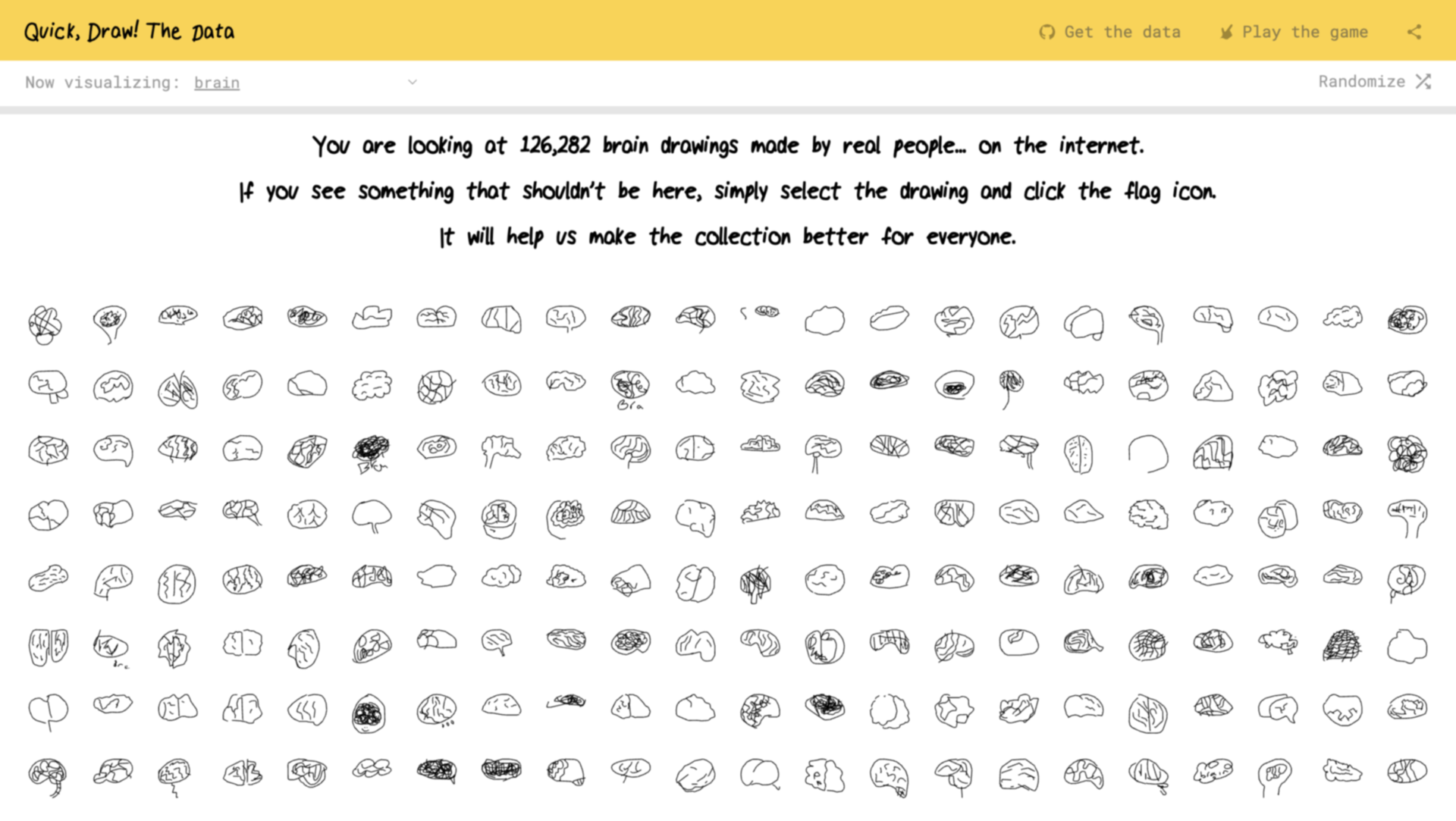
I’ve recently been diving into machine learning, especially around sketch generation and how models like SketchRNN and Quick, Draw! work. It's been super interesting to see how RNNs (Recurrent Neural Networks) can be trained to understand and predict sequences, which, in the case of SketchRNN, means generating sketches based on a given prompt. At first, I wasn’t sure how something like this could have any real artistic value, but after playing around with it, I started to see how these systems have a sort of creative autonomy. The way they learn from thousands of sketches and can then generate their own interpretations is kind of mind-blowing—like a robot artist that’s learned style and form from human inputs.
What’s really fascinating is how these models make decisions in a way that’s not purely deterministic. I mean, the output can vary each time, even when you give the same input, which adds a layer of unpredictability to the wkole process. I think this autonomy—this ability to generate something new without explicit instructions—is what makes machine learning so interesting in the context of creativity. It’s not just about mimicking what humans do; it’s about creating something unique from learned patterns. I'm starting to think about how I could bring these kinds of models into my own work, where the machine isn’t just a tool but a co-creator that adds its own flair to the project.
Type Tool
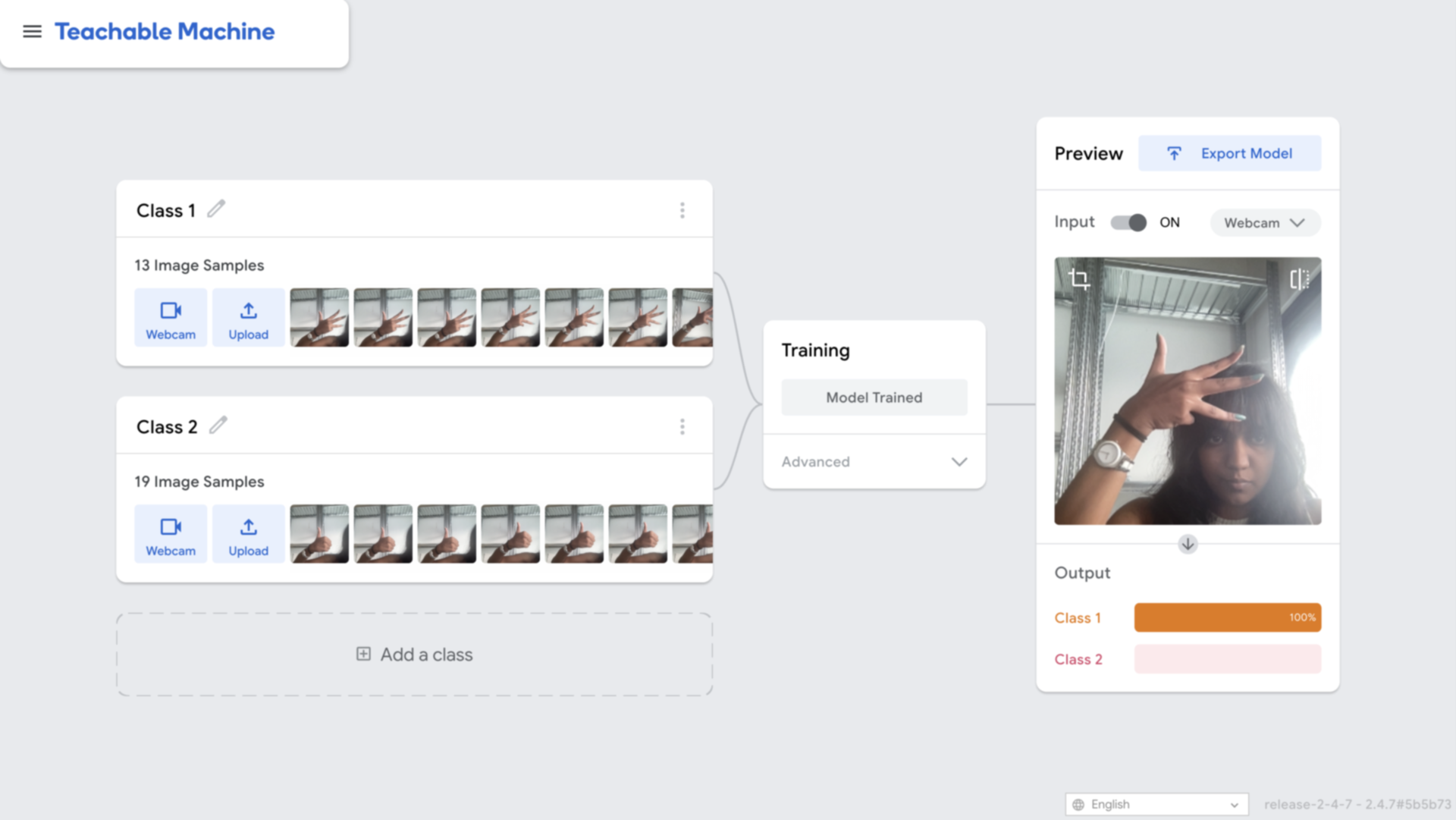
I’ve always been intrigued by the idea of using gestures in a typographic tool, and I thought this could be a great way to blend my interest in typography with interactive design. Initially, I envisioned a simple web tool where users could manipulate type by using gestures to control specific properties—weight, slant, and even selecting a letter by pinching between the index and thumb. These initial sketches felt like a promising starting point for a typographic tool, offering both functional and creative possibilities. I saw this as an opportunity to create something both innovative and practical, aligning with the "application in design" aspect of the project brief.
As I explored this idea further, I began to see the potential for gestural control to add a new layer of interaction to typography. Rather than just adjusting settings through sliders or buttons, users could actively engage with the letterforms in a more tactile, embodied way. It’s a shift away from traditional user interfaces, focusing instead on the physicality of how we manipulate and interact with text. This approach would allow for more intuitive and playful design exploration, which I thought could be a lot of fun for the target audience. From here, I’m looking forward to refining and expanding this concept, seeing how it can evolve into a fully functional tool.