Open Studios
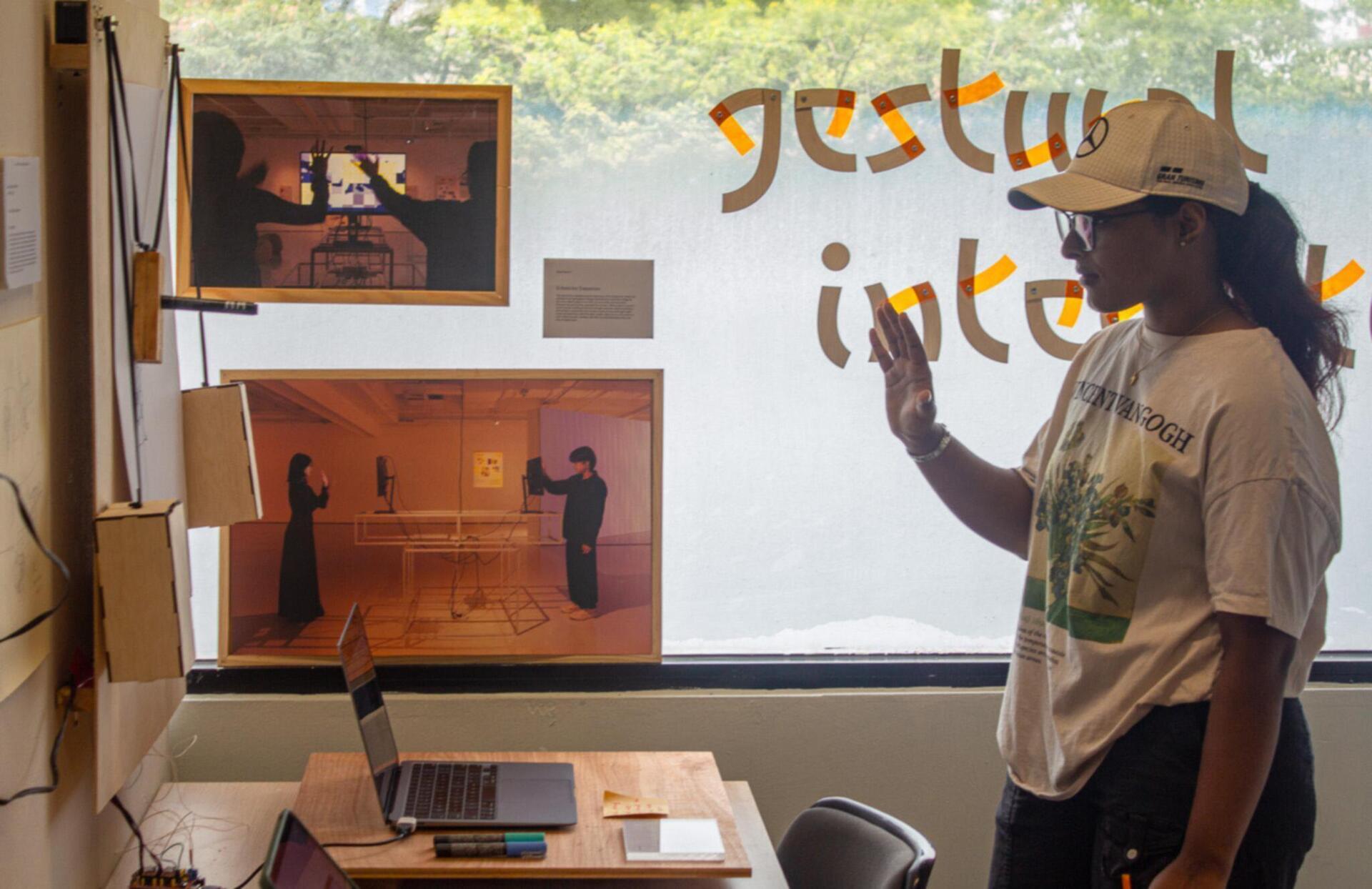
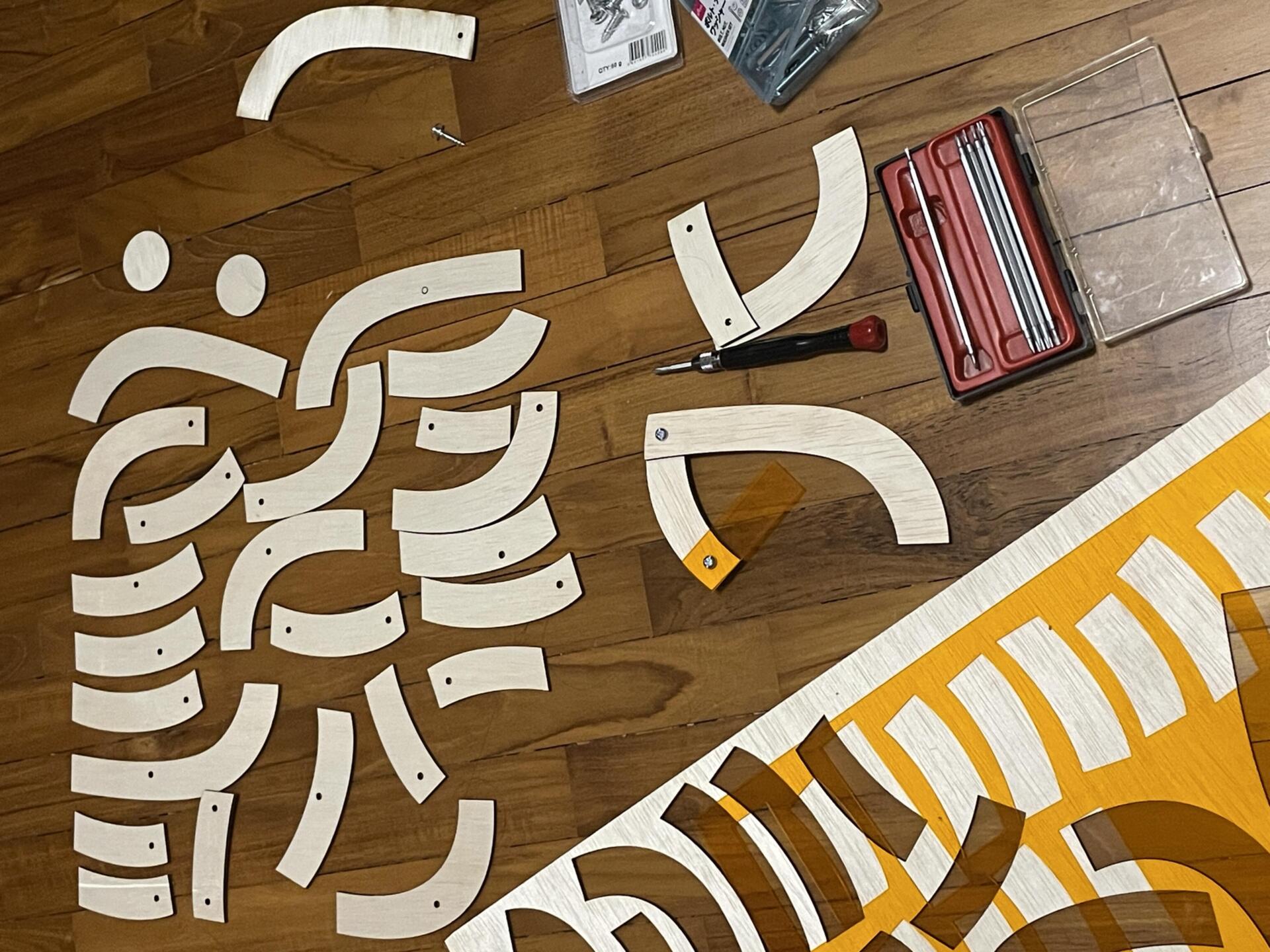
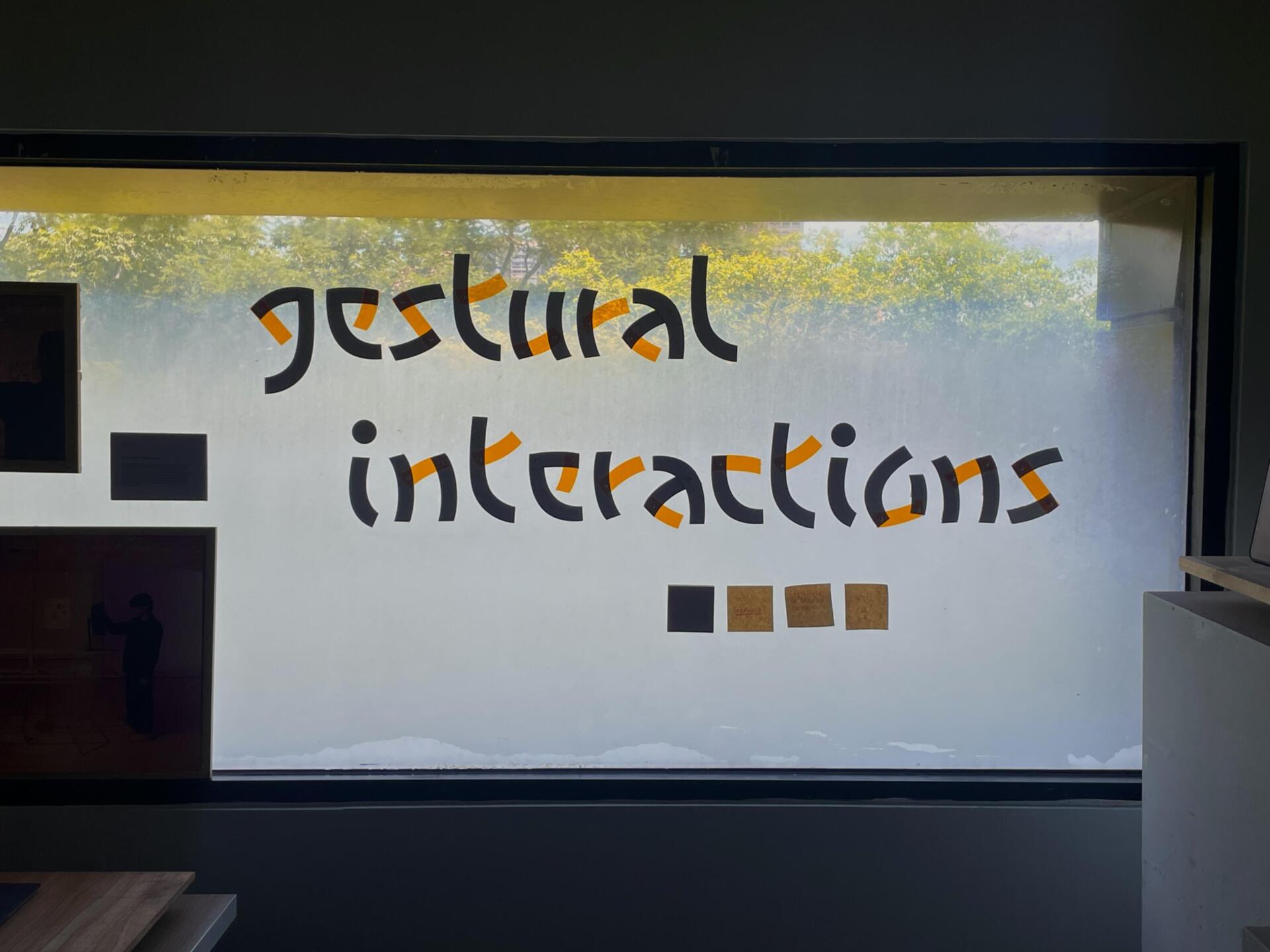
Open Studios finally arrived—and with it, a mad scramble to finish one last detail I had been dreaming about for weeks. I really wanted to create a proper title display for my project, something that matched the energy of everything I had built. So after the first day of Open Studios, I quickly laser-cut parts of each letter in my project title, layering wood and orange acrylic together, and then stuck them on the window next to my table. It ended up looking exactly how I had imagined—playful but intentional—and tied the whole setup together visually. Having a proper title on the wall made it feel less like a student booth and more like an actual exhibition space.
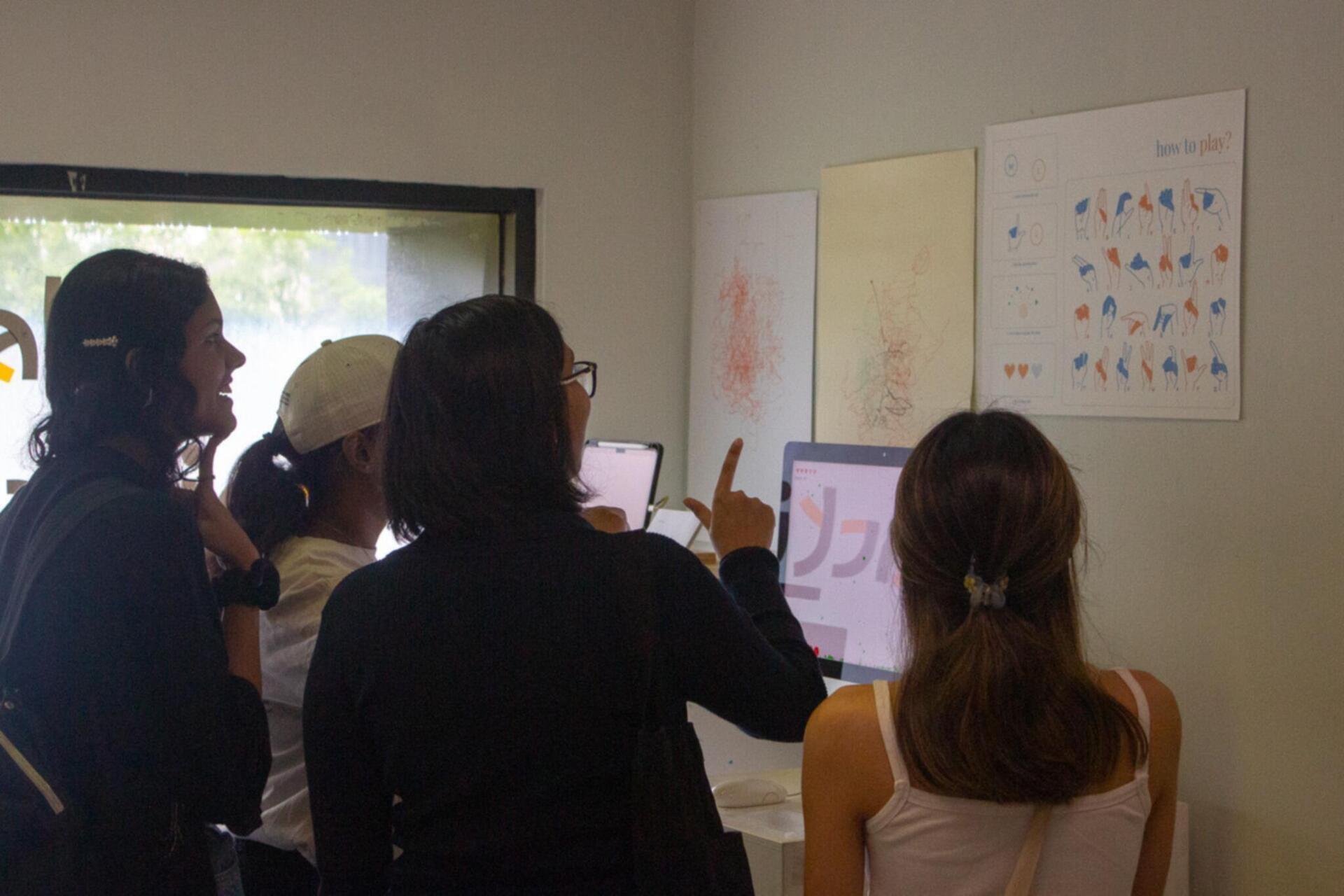
In the last few days before Open Studios, I also pushed an important update to my ASL learning game. Instead of just typing letters, I used Matter.js to make it much more playful—letters would now fall from the top of the screen like little blocks, and players had to sign the correct letter quickly to “explode” it before it hit the ground. If they missed, they would lose a life. This small change made the whole experience feel much more alive and kinetic; it transformed the interaction from a slow typing exercise into something more reactive, playful, and slightly chaotic. It ended up being one of the most popular parts of my booth—people loved the rush of trying to sign quickly, and it brought a kind of arcade-game energy to the whole setup.
Documenting my work & set up
The three days of Open Studios themselves were exhausting but genuinely one of the most rewarding experiences I've had. It was amazing to see people interacting with my work—with so much excitement, curiosity, and sometimes even surprise. A lot of juniors came by and told me how inspiring it was to see a project that combined technology, design, and physical computing. I had the chance to share my work with several people from the industry and school leadership, including the Dean and even the President of LASALLE, who stopped by and asked questions about the ASL learning game. Friends came by too, wandering around my space, playing with the prototypes, and taking photos. It was tiring, standing and explaining for hours every day, but it was a very wholesome kind of exhaustion—the kind that comes from seeing months of work finally living and breathing in front of an audience.
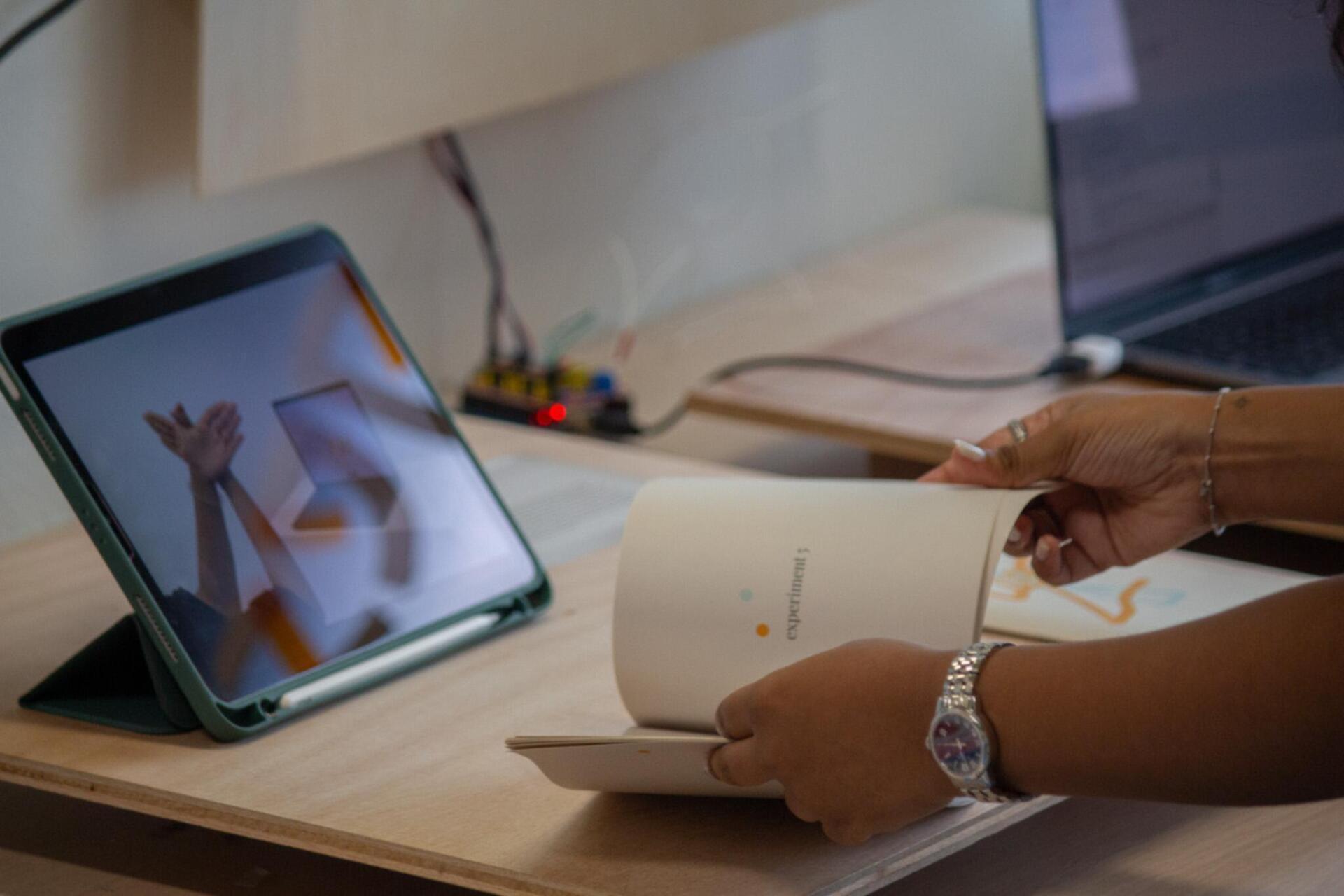
Another highlight of Open Studios was being able to properly document everything. I used the opportunity to take as many pictures and videos as possible—capturing people interacting with the ASL game, the plotter reacting to hand movements, and the smaller gesture experiments scattered around the space. It was so fun to watch people laugh, experiment, and get genuinely absorbed in the interactions. Even though the days were long, there was something incredibly satisfying about seeing the work no longer just existing on my laptop, but actually living in the hands of others.